BAHAYA MEROKOK BAGI KESEHATAN PARU PARU
Summary
TLDRThis video highlights the severe health risks of smoking, detailing the harmful chemicals in cigarettes, such as nicotine, carbon monoxide, and tar, and their link to various diseases, including heart disease, lung cancer, and respiratory problems. It explains how smoking damages the cardiovascular system, causes lung tissue damage, and increases the risk of cancer. Additionally, second-hand smoke poses significant risks to non-smokers. The video urges viewers to quit smoking for a healthier life, emphasizing that a healthy body leads to a stronger, more vital life.
Takeaways
- 😀 Smoking is a significant health risk, directly linked to diseases such as heart disease and cancer.
- 😀 Every cigarette you smoke increases the risk of various diseases, including heart disease, with 20% of heart disease deaths being linked to smoking.
- 😀 Cigarettes contain over 4,000 chemicals, 40 of which are carcinogenic, including substances like nicotine, carbon monoxide, and ammonia.
- 😀 Nicotine is highly addictive and can suppress appetite, leading smokers to not feel hungry after smoking.
- 😀 Carbon monoxide is a toxic gas that reduces the amount of oxygen the blood can carry, leading to oxygen deficiency in the body.
- 😀 Ammonia is a sharp-smelling gas that can induce a coma if injected into the bloodstream.
- 😀 Hydrogen cyanide, found in cigarette smoke, is a highly poisonous gas that can be fatal if ingested.
- 😀 Formaldehyde, a preservative and pesticide, is also found in cigarette smoke, contributing to various health hazards.
- 😀 Smoking can lead to permanent changes in the respiratory system, including inflammation, narrowing of airways, and increased mucus production.
- 😀 Secondhand smoke is even more dangerous than the smoke directly inhaled by the smoker, containing higher concentrations of harmful substances like carbon monoxide and benzopyrene.
- 😀 Smoking affects cardiovascular health by damaging blood vessels, increasing blood clotting, and raising blood pressure, which can lead to heart disease.
Q & A
What are the primary risks associated with smoking, according to the transcript?
-The primary risks associated with smoking include an increased likelihood of heart disease, lung cancer, respiratory diseases, and other life-threatening illnesses. Smoking is linked to various diseases, with 50% of active smokers dying from smoking-related conditions.
Why is smoking so harmful to the heart?
-Smoking harms the heart by introducing toxic substances like nicotine and carbon monoxide into the body. Nicotine raises heart rate and blood pressure, while carbon monoxide reduces oxygen levels in the blood, both of which contribute to heart disease.
What chemicals in cigarettes contribute to its harmful effects?
-Cigarettes contain numerous harmful chemicals, including acrolein, carbon monoxide, nicotine, ammonia, formic acid, hydrogen cyanide, formaldehyde, acetol, hydrogen sulfide, pyridine, methyl chloride, methanol, and tar, all of which have harmful effects on health.
How does nicotine affect the body?
-Nicotine is a highly addictive substance that stimulates the nervous system, increasing heart rate, blood pressure, and the release of adrenaline. It can also suppress appetite, which is why smokers often don't feel hungry after smoking.
What is acrolein, and why is it dangerous?
-Acrolein is a colorless liquid formed during the burning of tobacco. It contains alcohol and irritates the respiratory system, causing health problems, especially in the lungs and airways.
How does smoking affect the lungs?
-Smoking causes structural and functional changes in the lungs, such as inflammation and narrowing of the airways. This leads to respiratory issues, like chronic obstructive pulmonary disease (COPD), and increases the risk of lung cancer.
What is the difference between mainstream smoke and sidestream smoke?
-Mainstream smoke is the smoke inhaled directly by the smoker, while sidestream smoke is the smoke exhaled into the air by the smoker. Sidestream smoke contains higher concentrations of harmful chemicals and poses a significant health risk to non-smokers.
How does secondhand smoke affect non-smokers?
-Secondhand smoke contains higher levels of toxic chemicals like carbon monoxide and benzopyrene, which can increase the risk of lung cancer, heart disease, and other respiratory problems in non-smokers who are exposed to it.
What impact does smoking have on blood vessels?
-Smoking damages the endothelium (inner lining) of blood vessels, making it easier for blood clots to form. This increases the risk of cardiovascular diseases like heart attack and stroke.
How can quitting smoking benefit one's health?
-Quitting smoking can drastically reduce the risk of heart disease, lung cancer, and other related diseases. It also improves lung function, restores normal blood oxygen levels, and decreases the likelihood of stroke and respiratory infections.
Outlines

هذا القسم متوفر فقط للمشتركين. يرجى الترقية للوصول إلى هذه الميزة.
قم بالترقية الآنMindmap

هذا القسم متوفر فقط للمشتركين. يرجى الترقية للوصول إلى هذه الميزة.
قم بالترقية الآنKeywords

هذا القسم متوفر فقط للمشتركين. يرجى الترقية للوصول إلى هذه الميزة.
قم بالترقية الآنHighlights

هذا القسم متوفر فقط للمشتركين. يرجى الترقية للوصول إلى هذه الميزة.
قم بالترقية الآنTranscripts

هذا القسم متوفر فقط للمشتركين. يرجى الترقية للوصول إلى هذه الميزة.
قم بالترقية الآنتصفح المزيد من مقاطع الفيديو ذات الصلة
SCIENCE 9 LESSON 2.1 NEGATIVE EFFECTS OF SMOKING/ Q1 MODULE 1 WEEK 2
Edukasi Bahaya Merokok Bagi Remaja (KKN PPM UGM 2021 Pangalengan A Pengabdi Wayang Windu)

Internist Series - "MEROKOK- GAK BAHAYA TAH ?” - With DR MAR
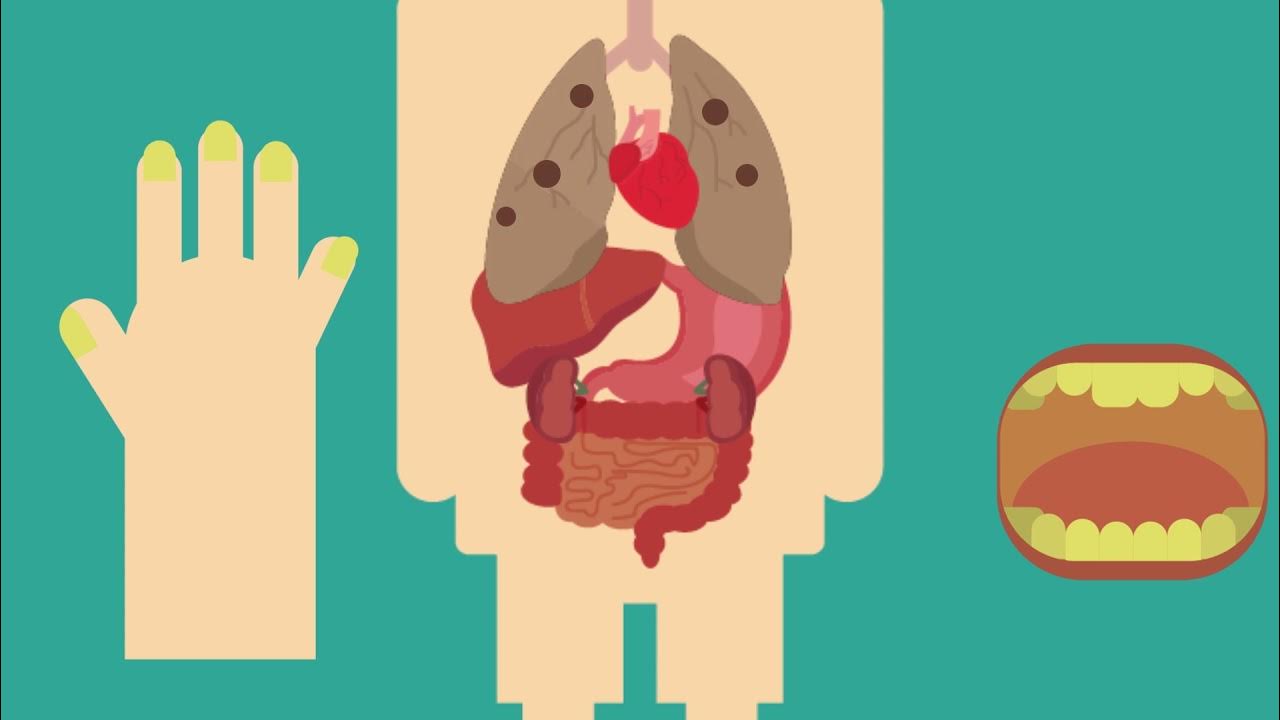
BAHAYA MEROKOK🚭- video animasi

Bahaya Merokok!

Apa Yang Terjadi Jika Kamu Sering Merokok ??? Jangan Sepelekan Bahaya Rokok Sebelum Terlambat!
5.0 / 5 (0 votes)

