Newcomers and the Workplace: Stay Safe at Work with WHMIS - Pictograms
Summary
TLDRThis video script emphasizes the importance of workplace safety when handling hazardous products in Canada, under the Workplace Hazardous Materials Information System (WHMIS). It covers key safety measures such as asking four essential questions about the hazards, safe usage, emergency procedures, and how to access more information. The script explains the meaning of various WHMIS pictograms, such as flame, corrosion, and skull & crossbones, which help workers recognize different types of hazards, including flammable substances, toxins, and environmental risks. The video stresses the responsibility of workers to understand and inquire about product safety to stay protected.
Takeaways
- 😀 In Canada, employers must provide workers with information and instructions on how to safely use hazardous products.
- 😀 Workers are responsible for asking questions to understand the hazards of the products they work with.
- 😀 A 'hazard' refers to any potential danger or risk present in the workplace.
- 😀 The Workplace Hazardous Materials Information System (WHMIS) is a system in Canada designed to protect workers using hazardous products.
- 😀 When working with hazardous products, workers should ask four key questions: What are the hazards? How do I work safely with the product? What do I do in an emergency? How do I get more information?
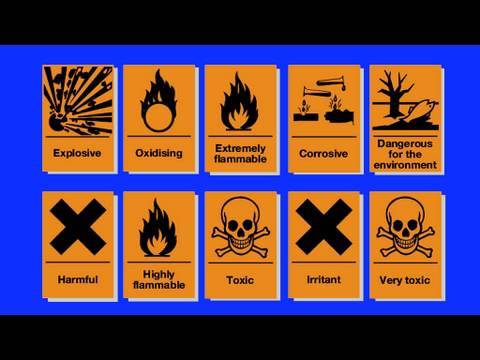
- 😀 WHMIS uses pictograms to help workers understand the hazards of products without needing to read complex labels.
- 😀 The flame pictogram represents flammable products, which catch fire easily and burn quickly.
- 😀 The flame over circle pictogram indicates oxidizers, which can make fires burn faster or start easily, even without flames.
- 😀 The gas cylinder pictogram warns of gases under pressure, which can explode or cause injuries like frostbite if released.
- 😀 The corrosion pictogram signifies corrosive products that can damage metal, skin, eyes, or internal organs if not handled safely.
Q & A
What does WHMIS stand for, and why is it important in the workplace?
-WHMIS stands for the Workplace Hazardous Materials Information System. It is important because it provides a standardized way to protect workers from hazardous products by giving them information on how to use these materials safely and understand the associated risks.
What are the four key questions you should ask about hazardous products at work?
-The four key questions to ask about hazardous products at work are: 1) What are the hazards? 2) How do I work safely with the product? 3) What do I do if there is an emergency? 4) How do I get more information?
What does the flame pictogram represent?
-The flame pictogram represents flammable products, which can easily catch fire and burn quickly. These products should be kept away from heat, sparks, or open flames.
What is the danger of products marked with the flame over circle pictogram?
-Products marked with the flame over circle pictogram are oxidizers. These products can add oxygen to fires, making them burn faster and more easily, even without a spark or open flame.
What risks are associated with gases under pressure, as indicated by the gas cylinder pictogram?
-Gases under pressure can cause explosions or fires if the cylinder is damaged. They can also be dangerous if released into the air, as they might be harmful to breathe or cause frostbite if they come into contact with skin.
What does the corrosion pictogram indicate about a product?
-The corrosion pictogram indicates that the product is corrosive, meaning it can damage metals, containers, and even your skin or eyes. If inhaled or ingested, it can cause burns to the nose, throat, or stomach.
What are the dangers of products marked with the skull and crossbones pictogram?
-Products with the skull and crossbones pictogram have acute toxicity. Even a small amount of these products can be extremely dangerous, potentially poisoning or killing you if swallowed, inhaled, or touched.
What does the health hazard pictogram warn about?
-The health hazard pictogram is used for products that can cause long-term health effects, such as asthma, cancer, or organ damage, after repeated exposure over time. These effects may not be immediately visible.
What types of health risks are indicated by the exclamation mark pictogram?
-The exclamation mark pictogram is used for products that cause less severe health hazards, such as skin irritation, eye irritation, drowsiness, or dizziness. These effects can occur from short-term exposure.
Why is the environment pictogram important, and what does it signify?
-The environment pictogram indicates that a product can harm aquatic environments. These products should not be disposed of in drains as they can damage rivers and lakes.
Outlines

هذا القسم متوفر فقط للمشتركين. يرجى الترقية للوصول إلى هذه الميزة.
قم بالترقية الآنMindmap

هذا القسم متوفر فقط للمشتركين. يرجى الترقية للوصول إلى هذه الميزة.
قم بالترقية الآنKeywords

هذا القسم متوفر فقط للمشتركين. يرجى الترقية للوصول إلى هذه الميزة.
قم بالترقية الآنHighlights

هذا القسم متوفر فقط للمشتركين. يرجى الترقية للوصول إلى هذه الميزة.
قم بالترقية الآنTranscripts

هذا القسم متوفر فقط للمشتركين. يرجى الترقية للوصول إلى هذه الميزة.
قم بالترقية الآنتصفح المزيد من مقاطع الفيديو ذات الصلة

WHMIS Introduction and Overview | 2023 Update

INDUSTRIAL NEW EMPLOYEE SAFETY ORIENTATION
Hazardous Substances Safety - The Fundamentals - Solvents, Chemicals, Fuels, Fire and Explosion

SAFETY DATA SHEETS TRAINING VIDEO | By Ally Safety

Workplace Hazardous Materials Information System (WHMIS) 2015 | Your ACSA Safety Training

Menerapkan K3 - Mengenal rambu di Tempat Kerja
5.0 / 5 (0 votes)

