Ramadhan H11 | Ngabuburit: Seri Literasi Bedah Kisi-kisi ASAT9 Pendidikan Agama Islam & Budi Pekerti
Summary
TLDRIn this fun and engaging Islamic study session, the hosts take on the role of 'detectives' as they solve three popular fiqh cases. From clarifying the difference between aqiqah and qurbani, to debunking the fatalistic mindset behind 'tiredness' as a result of 'destiny,' they offer valuable insights to help viewers deepen their understanding of Islamic practices. The session also explores the concept of being a 'khalifah' or caretaker on Earth, emphasizing small actions like keeping the school clean. In the end, the viewers are equipped with the knowledge to approach their religious duties with awareness and purpose.
Takeaways
- 😀 **Understanding Akikah vs. Kurban**: Akikah (sacrifice for a newborn) involves two goats for boys and one for girls, while Kurban (sacrifice during Idul Adha) is for drawing closer to Allah and requires healthy animals without defects.
- 😀 **Takdir and Effort**: Destiny (takdir) can be changed through human effort (ikhtiar). Bad grades, for instance, are part of **takdir mualaq** (alterable fate) and can improve with hard work and prayer.
- 😀 **Islamic Stewardship (Khalifah)**: As humans, we are all stewards (khalifah) of the Earth, responsible for maintaining and improving the world around us, such as keeping the school clean and helping others.
- 😀 **The Concept of Akikah**: The purpose of Akikah is to express gratitude for the birth of a child, and it should be done on the seventh day of the child's life.
- 😀 **Islamic Views on Art**: Islam encourages beauty and art, especially in calligraphy and architecture. However, it prohibits making statues of living creatures meant for worship or veneration.
- 😀 **Fate's Two Types**: **Mubram** (immutable fate) includes things like death or natural characteristics, while **Mualaq** (changeable fate) is dependent on human action and efforts.
- 😀 **Effort, Prayer, and Trust in Allah**: The key to success is the combination of effort (ikhtiar), prayer (dua), and trusting Allah (tawakal) to guide the outcome.
- 😀 **Importance of Critical Thinking**: The case discussions emphasize the importance of analyzing situations carefully, like distinguishing between different types of **mad** in Tajwid (Arabic phonetics).
- 😀 **Role of Students as Earth’s CEOs**: Every student is a ‘CEO’ of their environment, tasked with small but meaningful actions like keeping their school clean, being honest in exams, and helping peers.
- 😀 **Case Study Approach**: The interactive approach uses real-life scenarios to illustrate Islamic principles and encourages students to think deeply about the connection between religious teachings and daily actions.
Q & A
What is the difference between Akikah and Kurban in Islam?
-Akikah is an act of gratitude for the birth of a child, typically involving the slaughter of two goats for a male child and one for a female child. It takes place on the 7th day after birth. On the other hand, Kurban, which happens during Eid al-Adha, is a sacrificial act intended to draw closer to Allah, and the animal must be free from any defects.
What does 'takdir' (destiny) mean in Islam and how does it relate to personal effort?
-In Islam, 'takdir' refers to divine destiny or fate. There are two types of takdir: 'Mubram,' which is fixed and unchangeable (such as death or gender), and 'Mualaq,' which depends on human effort and actions. For example, one's academic results are part of takdir Mualaq and can be influenced by one's effort and striving.
Why is it important to distinguish between takdir Mubram and takdir Mualaq?
-Understanding the difference between takdir Mubram and takdir Mualaq is crucial because it helps believers recognize the importance of personal effort (ikhtiar) in shaping their future. While some aspects of life are beyond control, others can be changed through effort, such as striving for better grades or health.
How does the Quran teach about the role of human effort in changing one's fate?
-In Surah Ar-Rad (11), the Quran emphasizes that Allah will not change the condition of a people until they themselves strive to change it. This highlights the importance of personal effort and the necessity of making an effort before relying on divine intervention.
What responsibilities do Muslims have as 'khalifah' (vicegerents) on Earth?
-As khalifah, Muslims are tasked with preserving and managing the Earth responsibly. This includes caring for the environment, maintaining justice, helping others, and ensuring the well-being of society. The concept extends to all actions that contribute to the betterment of humanity and the Earth.
What are the key duties of a khalifah in the context of school life?
-In the context of school life, a khalifah's duties include maintaining cleanliness, helping others, being honest during tests, and not discriminating against others. These actions are seen as part of a Muslim's responsibility to care for the environment and society, starting with small, everyday actions.
How does Islam view the concept of art and beauty, particularly in the context of public spaces?
-Islam appreciates art and beauty, especially when it contributes to the enhancement of the environment, like calligraphy or the architecture of mosques. However, making statues or idols to be worshiped is forbidden because it could lead to idolization, which is considered a form of shirk (associating partners with Allah).
Why is creating statues for idol worship forbidden in Islam?
-Creating statues for idol worship is forbidden in Islam because it leads to shirk, which is the sin of associating Allah with others. Islam emphasizes the oneness of Allah and prohibits any form of idolization, even if the intention is not to worship the statue itself.
What is the 'jurus auto sultan' mentioned in the video, and how can it be applied?
-'Jurus Auto Sultan' is a metaphorical phrase used to describe a set of skills and strategies to succeed in life and in exams. It emphasizes the importance of being an analytical and thoughtful individual who not only memorizes but also understands and applies knowledge. The 'jurus' includes paying attention to details, being precise, and continuously striving for improvement.
What are the three key steps to achieving success, according to the script?
-The three key steps to success mentioned in the script are: 1) Ikhtiar (effort), where you do your best to achieve your goals; 2) Dua (prayer), asking Allah for assistance; and 3) Tawakal (trust in Allah), where you leave the outcome in God's hands after having done your best.
Outlines

هذا القسم متوفر فقط للمشتركين. يرجى الترقية للوصول إلى هذه الميزة.
قم بالترقية الآنMindmap

هذا القسم متوفر فقط للمشتركين. يرجى الترقية للوصول إلى هذه الميزة.
قم بالترقية الآنKeywords

هذا القسم متوفر فقط للمشتركين. يرجى الترقية للوصول إلى هذه الميزة.
قم بالترقية الآنHighlights

هذا القسم متوفر فقط للمشتركين. يرجى الترقية للوصول إلى هذه الميزة.
قم بالترقية الآنTranscripts

هذا القسم متوفر فقط للمشتركين. يرجى الترقية للوصول إلى هذه الميزة.
قم بالترقية الآنتصفح المزيد من مقاطع الفيديو ذات الصلة
1. Muqoddimah: Definisi Kaidah Fiqih, Contoh & Manfaatnya (Qowaid al-Fiqhiyyah) - Ust. Agus Waluyo

Inquiry into Teaching and Learning Classroom Observation Low

Review Mobil Drift Seharga Super Car | BRZ V8 Obell

(Eps.1) Belajar Ushul Fiqih Dasar Kitab Mabadi Awaliyah
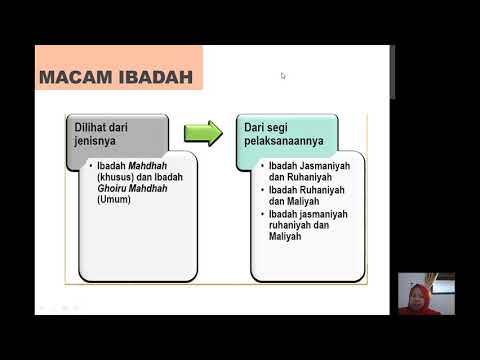
Konsep Dasar Fikih Ibadah

konsep Ushul fikih. kelas XII MAN 2 Bojonegoro
5.0 / 5 (0 votes)

