Benih Nila Unggul Untuk Negeri
Summary
TLDRTilapia farming in Sukabumi, Indonesia, is transforming local aquaculture, driven by innovations like monosex tilapia and advanced breeding techniques. Challenges in fish seed quality and water management have been overcome with government support and collaboration with research institutions. The KKP's 'Blue Economy' approach ensures sustainable, high-productivity aquaculture. With tilapia exports growing, the industry boosts local economies while contributing to national food security. As Sukabumi aims for self-sufficiency in tilapia production, the region’s model of sustainability and innovation presents significant opportunities for farmers and the broader Indonesian economy.
Takeaways
- 😀 Tilapia is a fast-growing and resilient fish species that can adapt to various farming systems, from simple rural ponds to advanced modern aquaculture systems.
- 😀 Sukabumi's fish farming industry plays a vital role for local farmers who depend on aquaculture for their livelihoods, with a focus on tilapia farming.
- 😀 One of the main challenges in tilapia farming is ensuring the quality of fish seeds, which often come from non-certified local sources, affecting the overall fish growth and Feed Conversion Ratio (FCR).
- 😀 BBP BAT Sukabumi is addressing the issue of poor-quality seeds by improving seed technology, particularly through breeding superior tilapia strains like 'Nila Gesit' and 'Nila Sakti'.
- 😀 The concept of Blue Economy is central to Indonesia's marine policies, focusing on sustainable fisheries, maintaining biodiversity, and promoting aquaculture while ensuring ecological balance.
- 😀 Government policies encourage sustainable fish farming, including promoting practices like quota-based fishing, and fostering aquaculture technologies that increase efficiency, reduce water usage, and improve fish health.
- 😀 Training and education for fish farmers are essential to ensure the adoption of advanced farming techniques, including ensuring high-quality, fast-growing tilapia varieties.
- 😀 Tilapia farming in Indonesia is not only a local industry but also a key contributor to global food security, with growing exports and a large international market valued at over 1.3 billion USD.
- 😀 The adoption of gender control technologies in tilapia farming, such as producing monosex male tilapia, can significantly boost farm productivity and reduce challenges during the breeding phase.
- 😀 Indonesia aims to be a global leader in tilapia production, aiming for self-sufficiency and a strong export market, with an anticipated increase in global demand for tilapia by 2030.
- 😀 Sustainable tilapia farming is integral to national food security, creating job opportunities, supporting local economies, and contributing to the welfare of the fishing community.
Q & A
What is the main advantage of tilapia in aquaculture?
-Tilapia is known for its rapid growth and resilience. It can adapt to various aquaculture systems, from simple rural ponds to advanced saltwater systems, making it a versatile and reliable choice for both small-scale and large-scale farmers.
What challenges did the fish farmer face when starting tilapia farming in Sukabumi?
-The farmer faced several challenges, including understanding the complexities of aquaculture, sourcing certified high-quality fish seeds, managing water quality, and ensuring proper post-harvest handling to maintain fish quality during transport to markets.
How does water management impact tilapia growth in aquaculture?
-Proper water management is crucial for healthy tilapia growth. Well-maintained water and pond conditions enhance the fish's immune system and overall health, which directly affects growth rates and productivity.
What is the role of the Balai Besar Perikanan Budidaya Air Tawar Sukabumi (BBP BAT) in improving tilapia farming?
-BBP BAT plays a key role in producing superior tilapia seeds, offering training, and improving breeding techniques. They focus on enhancing fish quality and resilience through advanced technologies such as selective breeding and genetic modification.
What is Blue Economy, and how does it relate to tilapia aquaculture in Indonesia?
-Blue Economy emphasizes sustainable practices that balance economic growth and environmental conservation. In the context of tilapia farming, it involves practices that ensure fish farming is both profitable and environmentally sustainable, supporting long-term food security.
What are the advantages of using genetically modified tilapia strains like 'Nila Gesit' and 'Nila Sakti'?
-Genetically modified tilapia strains such as 'Nila Gesit' and 'Nila Sakti' are designed to have superior traits, including resistance to diseases, faster growth rates, and the ability to thrive in various environmental conditions, making them more efficient for aquaculture.
How does the genetic modification of tilapia help increase productivity in aquaculture?
-Genetic modification, such as producing monosex male tilapia, leads to faster growth and higher feed conversion rates (FCR). This ensures that tilapia farmers experience increased productivity and profitability, as monosex male populations do not have reproductive cycles that might slow down growth.
What technological innovations have been developed by BBP BAT to improve tilapia breeding?
-BBP BAT has developed techniques such as jantanization (producing only male fish) through hormone treatments and genetic modification, as well as advanced breeding techniques that result in tilapia strains with better disease resistance, faster growth, and improved survival rates.
How has tilapia farming impacted the local economy in Sukabumi?
-Tilapia farming in Sukabumi has significantly boosted the local economy by increasing production, creating jobs, and improving the livelihoods of farmers. The increased production has also contributed to regional food security and provided access to both local and international markets.
What are the long-term goals for tilapia aquaculture in Indonesia?
-The long-term goal is to establish Indonesia as a leading producer of tilapia, focusing on improving fish quality and farming techniques. This includes expanding market access, supporting sustainable aquaculture, and ensuring food security through consistent production of high-quality fish.
Outlines

هذا القسم متوفر فقط للمشتركين. يرجى الترقية للوصول إلى هذه الميزة.
قم بالترقية الآنMindmap

هذا القسم متوفر فقط للمشتركين. يرجى الترقية للوصول إلى هذه الميزة.
قم بالترقية الآنKeywords

هذا القسم متوفر فقط للمشتركين. يرجى الترقية للوصول إلى هذه الميزة.
قم بالترقية الآنHighlights

هذا القسم متوفر فقط للمشتركين. يرجى الترقية للوصول إلى هذه الميزة.
قم بالترقية الآنTranscripts

هذا القسم متوفر فقط للمشتركين. يرجى الترقية للوصول إلى هذه الميزة.
قم بالترقية الآنتصفح المزيد من مقاطع الفيديو ذات الصلة

The Secrets of Raising Billions of Tilapia by Chinese Farmers, Earning Billions of Dollars Each Year

Jurus Cuan Milenial Pantura || Kisah #Sukses #Budidaya #Ikan #Nila

PEMIJAHAN IKAN NILA SECARA ALAMI, DIJAMIN BERHASIL

Modeling Budi Daya #Ikan #nila Salin berbasis kawasan

CARA BUDIDAYA IKAN KONSUMSI - MATERI PRAKARYA KELAS 9 SMP BAB 3
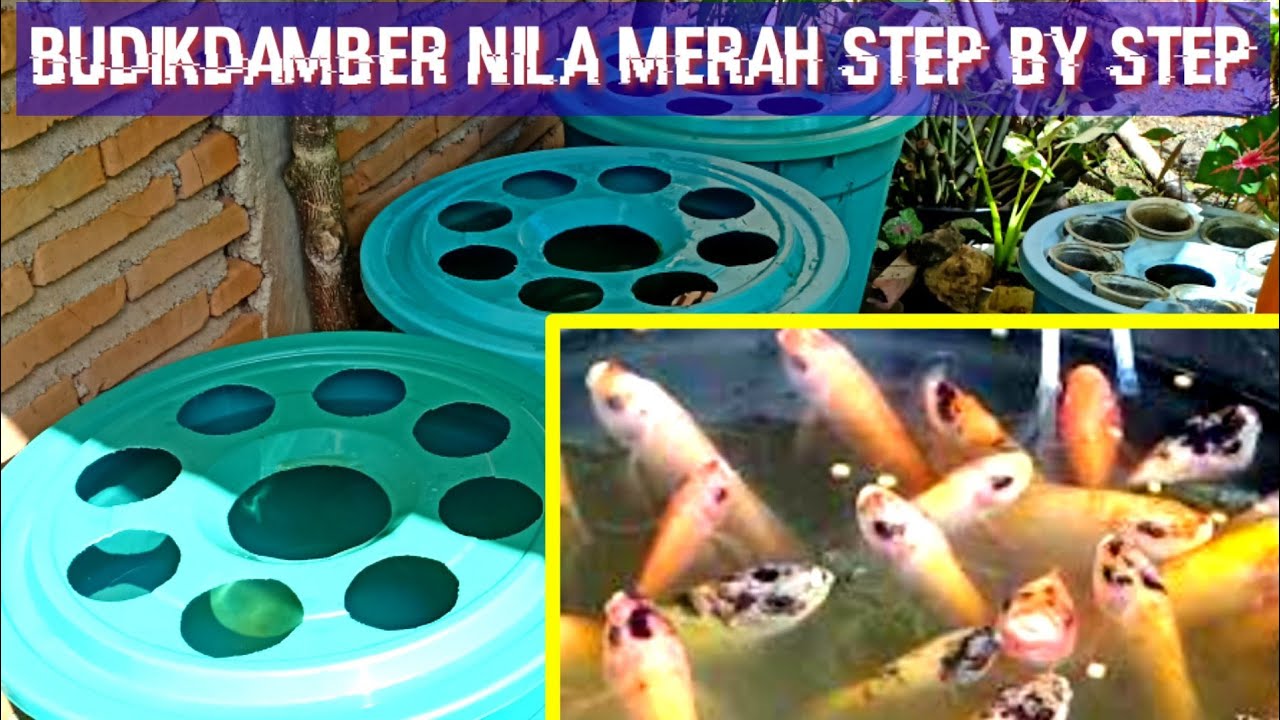
How to Make Budikdamber Red Tilapia Step By Step
5.0 / 5 (0 votes)

