Land subsidence and sea level rise are sinking cities
Summary
TLDRCoastal cities like Jakarta, Bangkok, and Shanghai face a dual threat: rising sea levels from climate change and sinking land due to groundwater extraction. In the past century, some cities have sunk meters, worsening flood risks and threatening millions of lives. Factors include soft soils, dense populations, and polluted rivers. Alarmingly, previous estimates of populations at risk were underestimated. Yet there is hope: cities like Tokyo and Shanghai slowed subsidence by limiting groundwater use and replenishing aquifers. With urgent action on water management, urban planning, and emissions cuts, vulnerable cities can still survive and adapt to the changing climate.
Takeaways
- 🌍 Coastal cities like Jakarta, Miami, and Kolkata are at high risk of flooding due to climate change and land subsidence.
- 💧 Over-extraction of groundwater causes the land to sink, worsening the impact of rising sea levels.
- 📊 In some river deltas, land is subsiding up to 10 times faster than sea level rise.
- 🏙️ Major cities have already sunk significantly: Bangkok over 1m, Shanghai over 2m, Italy's Po Delta over 3m, and eastern Tokyo over 4m.
- 🌧️ Extreme weather events, like crippling floods and storms, are becoming more frequent due to climate change.
- 🚰 Many cities, including Jakarta, rely heavily on groundwater because government water supply infrastructure cannot meet demand.
- 🧹 Pollution and clogged rivers exacerbate flooding problems, especially in densely populated urban areas.
- 🏗️ Some cities like Tokyo and Shanghai successfully reduced subsidence by limiting groundwater extraction and replenishing water supplies.
- 🛡️ Building seawalls alone is not a long-term solution; proper water management is more cost-effective and sustainable.
- ⏳ Immediate action on reducing carbon emissions and improving water management can prevent many cities from becoming uninhabitable this century.
Q & A
What is causing cities like Jakarta to sink?
-Cities like Jakarta are sinking mainly because groundwater is being over-extracted. Less water underground reduces pressure that supports the land, causing the soil to compress and the city to subside. Additionally, these cities are built on soft, swampy soils, which accelerates sinking.
How does climate change compound the problem of sinking cities?
-Climate change raises sea levels by melting ice and warming oceans, which adds to the risk for sinking cities. Combined with subsidence, coastal areas could become uninhabitable and face severe flooding more frequently.
Why are river deltas particularly vulnerable to sinking?
-River deltas are built on soft, sediment-rich soils that are easily compressed. Human activities like redirecting rivers, building on soft ground, and pumping groundwater accelerate subsidence, making deltas sink faster than natural sea-level rise.
Which cities have sunk significantly over the past century, and by how much?
-Bangkok has sunk over 1 meter, Shanghai over 2 meters, Italy's Po Delta over 3 meters, and eastern Tokyo over 4 meters in the last century. Parts of California have also subsided by the height of a house.
What measures have Tokyo and Shanghai taken to stop or reduce subsidence?
-Tokyo and Shanghai restricted groundwater extraction and replenished water supplies. These simple measures reduced land sinking to about 1 centimeter per year, making it more manageable.
Why is Jakarta’s situation particularly severe compared to other cities?
-Jakarta sits on swampy land, has 13 rivers filled with waste, and lacks sufficient piped water, leaving 40% of residents dependent on groundwater. It is also one of the most densely populated cities in the world, which intensifies the impact of subsidence and flooding.
How accurate were previous estimates of people at risk of coastal flooding?
-Previous estimates were too low because scientists relied on satellite data that could not distinguish between rooftops, treetops, and ground levels. As a result, the number of people exposed to flooding is now believed to be three times higher than previously thought.
What are the limitations of building seawalls to combat flooding in sinking cities?
-Seawalls only delay the problem and are expensive. They do not address the root cause—land subsidence—and can create a false sense of security, potentially diverting funds from more effective solutions like proper water management.
What is the projected future for a baby born today in Jakarta if current trends continue?
-By the time a baby born today turns 30, almost the entire coastal area of Jakarta could be underwater due to land subsidence combined with sea-level rise, putting millions of residents at risk of devastating floods.
What can be done to limit the impact of rising sea levels this century?
-Rapidly cutting carbon emissions can limit sea-level rise to less than half a meter this century. This reduction would lessen the severity of flooding and give coastal cities a better chance of surviving while allowing them to implement local measures like water management to combat subsidence.
How does over-extraction of groundwater affect agriculture and food prices?
-As land subsides, it damages farmland and reduces crop yields. This, in turn, raises the prices of staple foods like rice and wheat, affecting food security and increasing the economic burden on residents.
Outlines

此内容仅限付费用户访问。 请升级后访问。
立即升级Mindmap

此内容仅限付费用户访问。 请升级后访问。
立即升级Keywords

此内容仅限付费用户访问。 请升级后访问。
立即升级Highlights

此内容仅限付费用户访问。 请升级后访问。
立即升级Transcripts

此内容仅限付费用户访问。 请升级后访问。
立即升级浏览更多相关视频
Ini Alasan Jakarta Diprediksi Tenggelam Tahun 2050 | #Ecofrontlines
B5L5 課文動畫(中英字幕版)(Venice)
Indonesia Is Building A Giant Sea Wall To Save Jakarta

Lumulubog na ba ang Maynila? | Need To Know
Ilang lugar sa Bulacan at Malabon, bakit lumulubog sa tubig? (Full Episode) | Reporter's Notebook
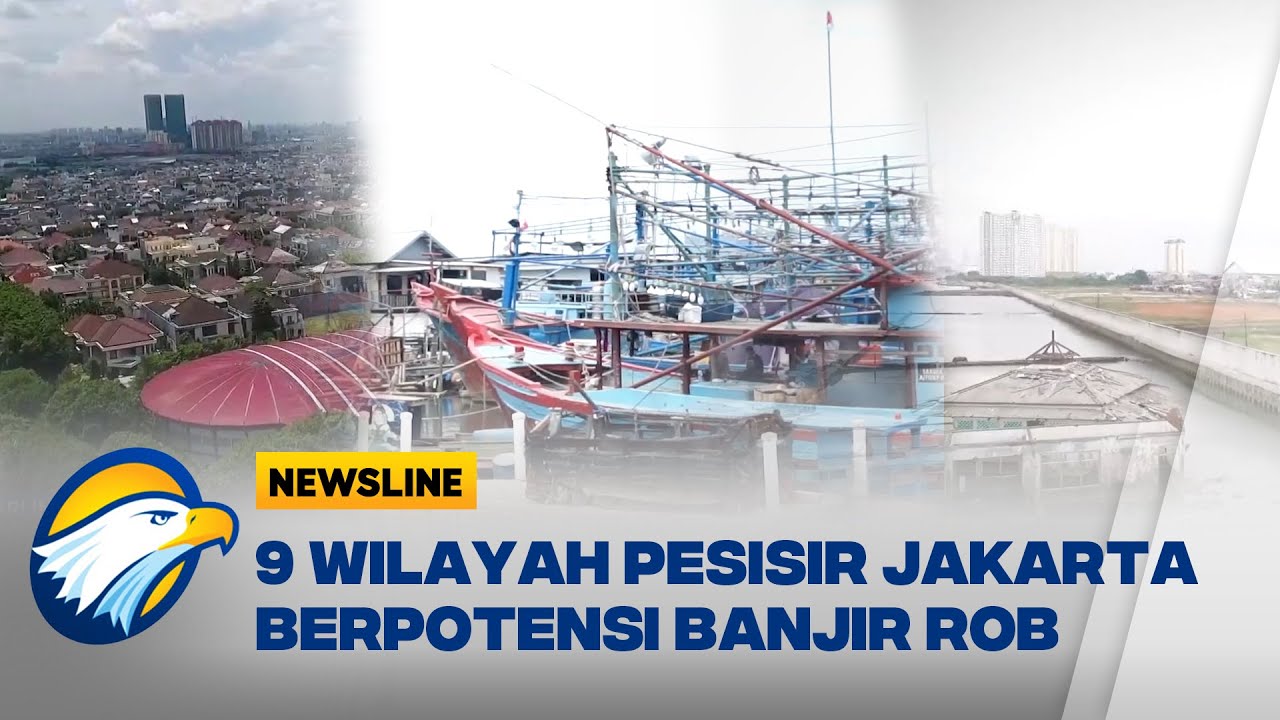
Waspada! 9 Wilayah Pesisir Jakarta Utara Berpotensi Banjir Rob
5.0 / 5 (0 votes)

