Hubungan Nilai-nilai Pancasila dalam Praktik Hidup Sehari-hari, PKn Kelas 6 Bab 1 Kurikulum Merdeka
Summary
TLDRThis educational video for 6th-grade students explores the values of Pancasila and their practical application in daily life. It emphasizes that the five principles of Pancasila are interconnected and equally important, forming the foundation of Indonesia's national ideology. Each principle is explained with its core meaning and real-life examples, such as practicing religious tolerance, promoting justice, maintaining unity, participating in community decision-making, and helping others without discrimination. The video encourages students to reflect on their behavior at home, school, and society, aiming to nurture fairness, tolerance, and social responsibility, turning Pancasila from theory into meaningful action.
Takeaways
- 😀 Pancasila consists of five interconnected principles that cannot be separated, and all are equally important.
- 😀 The first principle, 'Belief in One God,' forms the foundation for justice, unity, and humanity.
- 😀 The second principle, 'Just and Civilized Humanity,' teaches respect and discourages belittling others.
- 😀 The third principle, 'The Unity of Indonesia,' emphasizes maintaining unity amid cultural, ethnic, and religious diversity.
- 😀 The fourth principle, 'Democracy Guided by Wisdom in Deliberation,' encourages valuing others' opinions and making decisions together.
- 😀 The fifth principle, 'Social Justice for All Indonesians,' promotes fairness and equality for everyone, regardless of social differences.
- 😀 Pancasila is not just a concept or theory but a practical ideology that should be applied in daily life.
- 😀 Everyday examples of practicing Pancasila include worshiping according to one's religion, helping others, and participating in community activities like gotong royong.
- 😀 Students are encouraged to reflect on their behavior, such as respecting opinions, being fair to friends and family, and helping others without discrimination.
- 😀 Applying Pancasila in real life helps individuals become more just, tolerant, and caring members of society.
Q & A
What is the main topic discussed in the video?
-The video discusses Pancasila education for 6th grade elementary students, focusing on the relationship between Pancasila values and their practice in daily life.
Why are the five principles of Pancasila considered inseparable?
-The five principles are considered inseparable because they form a unified and complete system of values. Removing one principle would weaken the unity of Pancasila.
What did Mohammad Hatta say about the principles of Pancasila?
-Mohammad Hatta stated that the five principles of Pancasila are closely connected, linked together, and cannot stand independently from one another.
How does the first principle of Pancasila influence the other principles?
-The first principle, belief in One Supreme God, teaches people to act fairly, maintain unity, and uphold humanitarian values, which support the other principles.
What is the purpose of the second principle of Pancasila?
-The second principle aims to guide people to respect one another and avoid degrading or mistreating others.
What does the third principle of Pancasila emphasize?
-The third principle emphasizes the importance of maintaining national unity despite differences in culture, ethnicity, and religion.
What values are taught by the fourth principle of Pancasila?
-The fourth principle teaches people to respect others' opinions and make decisions through discussion and deliberation.
What is the goal of the fifth principle of Pancasila?
-The fifth principle aims to create social justice for all people regardless of social differences.
Why is Pancasila described as more than just a theory?
-Pancasila is more than a theory because it serves as the foundation of the state, a national ideology, and a value system that must be practiced in everyday life.
What are some examples of practicing the first principle in daily life?
-Examples include worshipping according to one’s religion sincerely, respecting friends of different religions, and maintaining harmony among religious communities.
How can someone practice the second principle of Pancasila?
-Someone can practice it by making friends without discrimination, helping people in need, maintaining peace, and respecting cultural diversity.
What are examples of applying the third principle in society?
-Examples include helping others equally, participating in social activities like community service, and prioritizing national interests over personal interests.
What behaviors reflect the fourth principle of Pancasila?
-Behaviors include prioritizing discussion for common interests, respecting different opinions, and taking responsibility for group decisions.
How can the fifth principle be practiced in everyday life?
-The fifth principle can be practiced by being fair to others, respecting other people’s rights, and balancing rights with responsibilities.
What reflection questions were given to students in the video?
-Students were asked whether they already respect friends’ opinions, act fairly toward friends and family, and help others without discrimination.
What is the overall message of the learning material?
-The overall message is that Pancasila values should not only be understood theoretically but also practiced in daily life to become fair, tolerant, and caring individuals.
Outlines

此内容仅限付费用户访问。 请升级后访问。
立即升级Mindmap

此内容仅限付费用户访问。 请升级后访问。
立即升级Keywords

此内容仅限付费用户访问。 请升级后访问。
立即升级Highlights

此内容仅限付费用户访问。 请升级后访问。
立即升级Transcripts

此内容仅限付费用户访问。 请升级后访问。
立即升级浏览更多相关视频
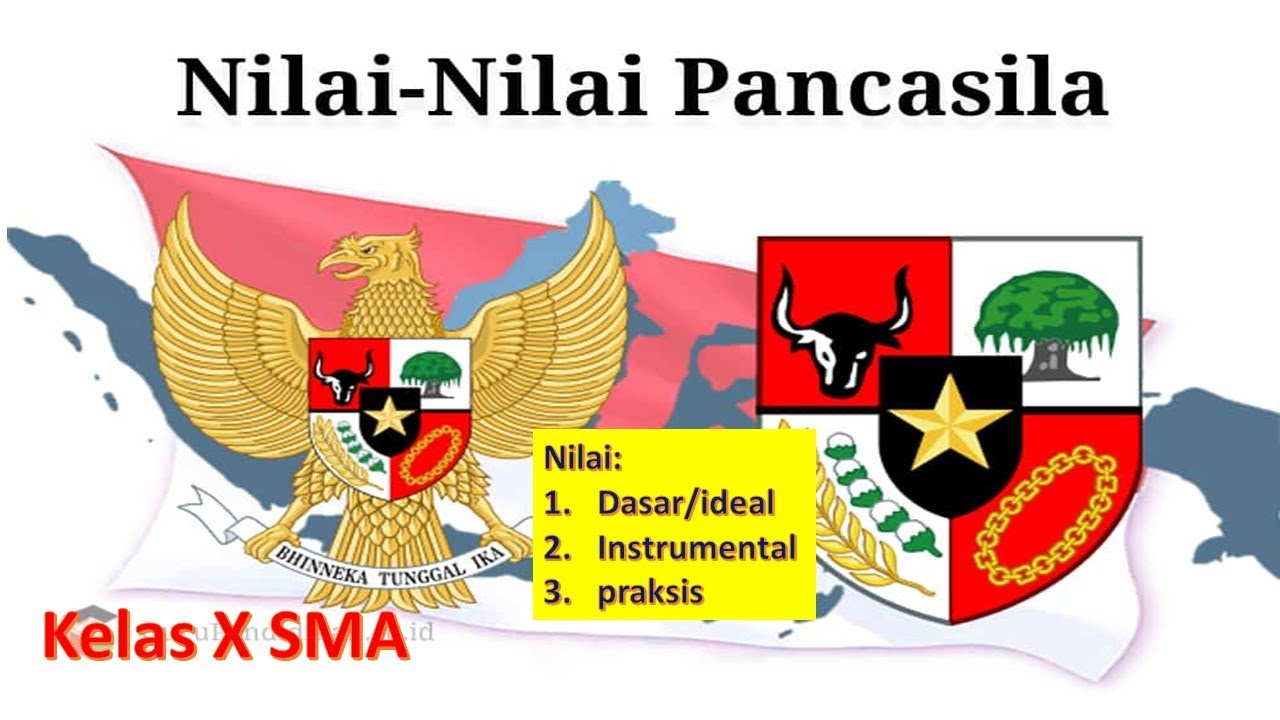
Kelas 10: Nilai Dasar, Instrumental, Praksis Pancasila
Materi Pendidikan Pancasila Kelas 9 BAB 1 || A. Semangat Pancasila dalam Kehidupan Bernegara

Materi Pendidikan Pancasila Kelas 12 BAB 1 || A. Saya dan Pancasila

Pendidikan Pancasila Kelas 4 Bab 4 Pancasila dalam Diriku bagian 1
Penggunaan Kartu Kuartet PPKn Sebagai Media Pembelajaran dalam Menanamkan Nilai-Nilai Pancasila
Nilai Nilai Pancasila dalam Kehidupan Sehari hari - Pendidikan Pancasila Kelas X - Kuriklum Merdeka
5.0 / 5 (0 votes)

