How to Develop a Concept for Architectural Design and Why It’s Important (For Architecture Students)
Summary
TLDRIn this video, Kyle, a third-year architecture student, guides viewers through the process of developing a concept in architecture. He emphasizes the importance of thoroughly understanding the brief, making lists of key features, rooms, and constraints, and creating diagrams to visualize space relationships. Kyle also highlights the significance of site analysis and how it shapes design decisions. He explains how to derive a key theme or concept from the brief, client personality, or site context, ensuring all design elements align with this overarching idea. The video offers practical, step-by-step strategies for architecture students to create cohesive, thoughtful designs efficiently.
Takeaways
- 😀 Understand the brief thoroughly: Read it multiple times to ensure you grasp what the client or teacher truly wants from the project.
- 😀 Highlight key features from the brief: Identify important aspects like being well-lit, modern, quiet, and the number of stories in the building.
- 😀 Make a list of rooms/spaces required: Document every room and space mentioned in the brief (e.g., gym, bedrooms, office, etc.).
- 😀 Identify constraints and things to avoid: List out any restrictions or limitations provided in the brief (e.g., site size, regulations, etc.).
- 😀 Create diagrams for space requirements: Draw diagrams to visualize the size of rooms and spaces, and how they relate to each other.
- 😀 Think about site context: Even if there’s no specific site provided, create one to simulate real-world conditions and show thoughtful design.
- 😀 Consider the site’s influence on your design: The site’s orientation, surrounding buildings, and location will impact how your design works in practice.
- 😀 Develop a key theme for your design: Draw inspiration from the brief, the client’s personality, or the site’s attributes to create a central theme for your design.
- 😀 Stay consistent with the theme: Let the key theme guide every design decision, from aesthetics to functional elements.
- 😀 Revisit your concept over time: The concept stage should be refined and adjusted over time, not rushed. Consistently come back to it for improvements.
- 😀 Slow down with design changes: Avoid making constant revisions that waste time. Focus on slowly evolving your design to maintain coherence and efficiency.
Q & A
What is the first step in developing a concept design for architecture?
-The first step is to thoroughly read and understand the brief. It's essential to fully comprehend the client's or teacher's requirements before proceeding with any design work.
Why is it important to read the brief multiple times?
-Reading the brief multiple times ensures that you grasp all the details and nuances of the project. Understanding the brief completely allows you to make informed design decisions that align with the client's needs or your teacher’s expectations.
What should you do once you've understood the brief?
-After understanding the brief, you should make a list of key features, the required rooms or spaces, and any constraints or things to avoid. This helps clarify the project's core requirements.
How does creating a diagram help in the design process?
-Creating a diagram helps visualize the spatial relationships between the different rooms or areas mentioned in the brief. It also allows you to better understand the size and scale of each room, making it easier to arrange them effectively within the overall design.
What role does understanding the site play in the design process?
-Understanding the site is crucial because it impacts key design decisions, such as orientation, lighting, and functionality. For example, the site's location and surrounding buildings can affect how well-lit a space is or whether it’s suitable for a two-story design.
Why should you consider site conditions even when designing for a hypothetical site?
-Considering site conditions, even in a hypothetical scenario, shows that you are thinking critically and realistically about the project. It demonstrates an understanding of how the physical environment affects the design and ensures your design will be practical in real-world contexts.
What is a key theme in architecture, and why is it important?
-A key theme is the central concept that influences every design decision throughout the project. It's derived from the brief and reflects the client's needs, desires, or personality. Having a strong theme ensures the design elements are coherent and support a unified vision.
How does understanding the client’s personality or life experience contribute to the design?
-Understanding the client's personality, struggles, or daily life helps tailor the design to their specific needs or emotional connection. For instance, a client with a love for surfing might inspire a design that reflects the themes of waves and the ocean.
What does the speaker mean by 'revising the concept over time'?
-Revising the concept over time means regularly returning to and refining the core idea or theme. This iterative process allows for better ideas to emerge as you distance yourself from the project and reflect on it from different angles, such as during walks or other breaks.
Why should design changes be made slowly, according to the speaker?
-Design changes should be made slowly to avoid wasted time and effort. Making too many rapid changes leads to inefficiency and a lack of consistency. A clear, well-thought-out concept allows the design to evolve more fluidly, ensuring that the final result aligns with the initial vision.
Outlines

このセクションは有料ユーザー限定です。 アクセスするには、アップグレードをお願いします。
今すぐアップグレードMindmap

このセクションは有料ユーザー限定です。 アクセスするには、アップグレードをお願いします。
今すぐアップグレードKeywords

このセクションは有料ユーザー限定です。 アクセスするには、アップグレードをお願いします。
今すぐアップグレードHighlights

このセクションは有料ユーザー限定です。 アクセスするには、アップグレードをお願いします。
今すぐアップグレードTranscripts

このセクションは有料ユーザー限定です。 アクセスするには、アップグレードをお願いします。
今すぐアップグレード関連動画をさらに表示

TERBARU - Pembahasan Soal SKB Penata Kelola Sistem dan TI - Arsitektur Enterprise - CPNS 2024
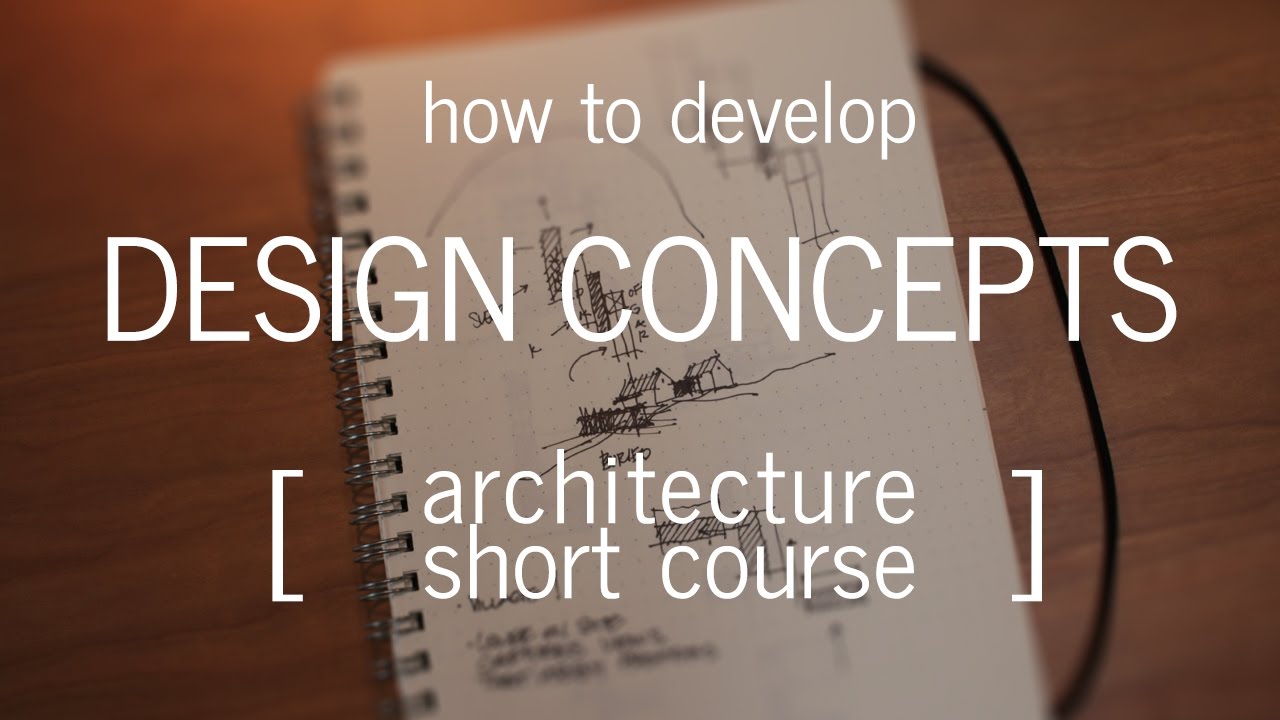
Architecture Short Course: How to Develop a Design Concept

Belajar Laravel 11 | 7. Model

Information Architecture & Sketching for UI/UX Projects | Behind the Design Part 4

How to Install Windows 10 from a USB Flash Drive

Worked example: Identifying an element from successive ionization energies | Khan Academy
5.0 / 5 (0 votes)

