Revolusi Fitobiotik
Summary
TLDRThis video explores a transformative shift in Indonesian agriculture and livestock farming, highlighting the move from synthetic antibiotic growth promoters (AGPs) to natural plant-based feed additives called phytobiotics. It explains how AGPs, once standard for boosting poultry growth, contributed to antibiotic-resistant bacteria, posing global health risks. The video introduces phytobiotics derived from local plants like ketapang and temu lawak, detailing their mechanisms in improving gut health, nutrient absorption, and growth in broilers. Academic trials show these natural alternatives match or surpass chemical supplements in performance. The discussion concludes with a look at the future of sustainable, science-driven, and fully natural livestock feed in Indonesia.
Takeaways
- 🐔 Before 2017, Antibiotic Growth Promoters (AGPs) were widely used in poultry feed in Indonesia to accelerate growth, but they posed serious health risks.
- ⚠️ Overuse of AGPs led to antibiotic-resistant bacteria, which can make human infections harder to treat—a global health threat recognized by WHO.
- 📜 The EU banned AGPs in 2006, and Indonesia fully prohibited them in 2017 to protect public health and ensure safer livestock practices.
- 🌿 Phytobiotics are natural plant-based feed additives that are 100% safe, leave no chemical residues, and do not contribute to bacterial resistance.
- 🇮🇩 Indonesia has around 30,000 plant species, but only 32% of known medicinal plants are utilized in livestock production, showing untapped potential.
- 🔬 For industrial-scale use, phytobiotics must be processed into standardized herbal medicine to ensure consistent potency and quality.
- 💪 Phytobiotics improve poultry health through three mechanisms: destroying harmful bacteria, boosting digestive enzyme production, and lengthening intestinal villi for better nutrient absorption.
- 🥼 Studies on ketapang and temu lawak extracts demonstrated they are as effective as synthetic chemicals in promoting broiler growth, while also increasing clean meat yield.
- 🌱 Using only 2.5% herbal extracts in feed can produce significant growth and health benefits, showing that small natural interventions can have large impacts.
- 🚀 The future of Indonesian poultry farming involves combining phytobiotics with probiotics and organic acids, advanced green extraction techniques, and nano-encapsulation to maximize nutrient delivery and maintain consistent quality.
- 🤔 With proper research and innovation, local plants could play a critical role in addressing the global antibiotic resistance crisis while supporting sustainable farming.
Q & A
What was commonly added to chicken feed in Indonesia before 2017 and why?
-Before 2017, Antibiotic Growth Promoters (AGPs) were commonly added to chicken feed in Indonesia to accelerate growth and increase weight. These chemicals were not for treating illness but purely to boost production artificially.
Why are AGPs considered a threat to global health?
-AGPs promote the development of antibiotic-resistant bacteria. When these bacteria infect humans, common antibiotics become ineffective, posing a serious threat to public health, recognized by WHO.
When did Indonesia officially ban AGPs in animal feed?
-Indonesia started regulating AGPs in 2009 and officially banned their use in animal feed in 2017 to protect human and animal health.
What are phytobiotics and how do they differ from AGPs?
-Phytobiotics are natural feed additives derived from plant extracts. Unlike AGPs, they leave no chemical residues in meat and do not contribute to antibiotic resistance, making them safer for both animals and humans.
How many plant species in Indonesia have known medicinal properties but are underutilized in livestock farming?
-Out of approximately 30,000 plant species in Indonesia, around 9,600 medicinal plants (32%) with known beneficial properties have not been fully utilized in livestock farming.
How are phytobiotics processed to ensure consistent effectiveness in industrial use?
-Phytobiotics must be processed into standardized herbal medicines (OHT) to ensure precise concentrations of active compounds. This guarantees consistent quality and effectiveness across all batches.
What are the three main mechanisms by which phytobiotics improve chicken health?
-Phytobiotics work by (1) destroying harmful bacteria cell walls, (2) stimulating the production of digestive enzymes, and (3) physically lengthening intestinal villi to improve nutrient absorption.
What were the results of using ketapang and temu lawak extracts in broiler chicken studies?
-Studies showed that chickens fed ketapang and temu lawak extracts achieved growth rates comparable to synthetic supplements. Additionally, they produced higher carcass weights, indicating more efficient digestion and better overall health.
How much herbal extract was used in the chicken feed study to achieve significant growth results?
-Only 2.5% of the chicken feed consisted of herbal extracts, yet it had a significant impact on growth and health, demonstrating the potency of natural compounds.
What future innovations are being explored in Indonesian livestock farming?
-Future innovations include combining phytobiotics with probiotics and organic acids for fully natural super feed, using green extraction technology to minimize waste, and applying nano-encapsulation to protect nutrients and deliver them directly to the intestines where absorption is maximized.
Why are ketapang and temu lawak particularly effective as phytobiotics?
-Ketapang and temu lawak contain bioactive compounds like flavonoids, tannins, and curcumin, which reduce inflammation, provide antioxidant benefits, and protect the intestines from pathogens such as E. coli and Salmonella.
What lesson does the transcript highlight regarding the potential of local Indonesian plants?
-The transcript emphasizes that Indonesia’s vast plant biodiversity, with thousands of underutilized medicinal species, could hold key solutions for addressing global antibiotic resistance and improving sustainable livestock practices.
Outlines

Esta sección está disponible solo para usuarios con suscripción. Por favor, mejora tu plan para acceder a esta parte.
Mejorar ahoraMindmap

Esta sección está disponible solo para usuarios con suscripción. Por favor, mejora tu plan para acceder a esta parte.
Mejorar ahoraKeywords

Esta sección está disponible solo para usuarios con suscripción. Por favor, mejora tu plan para acceder a esta parte.
Mejorar ahoraHighlights

Esta sección está disponible solo para usuarios con suscripción. Por favor, mejora tu plan para acceder a esta parte.
Mejorar ahoraTranscripts

Esta sección está disponible solo para usuarios con suscripción. Por favor, mejora tu plan para acceder a esta parte.
Mejorar ahoraVer Más Videos Relacionados

Petani vs Peternak: Siapa yang Paling Tahan Resesi?

Optimizing Soil for Nitrogen Efficiency
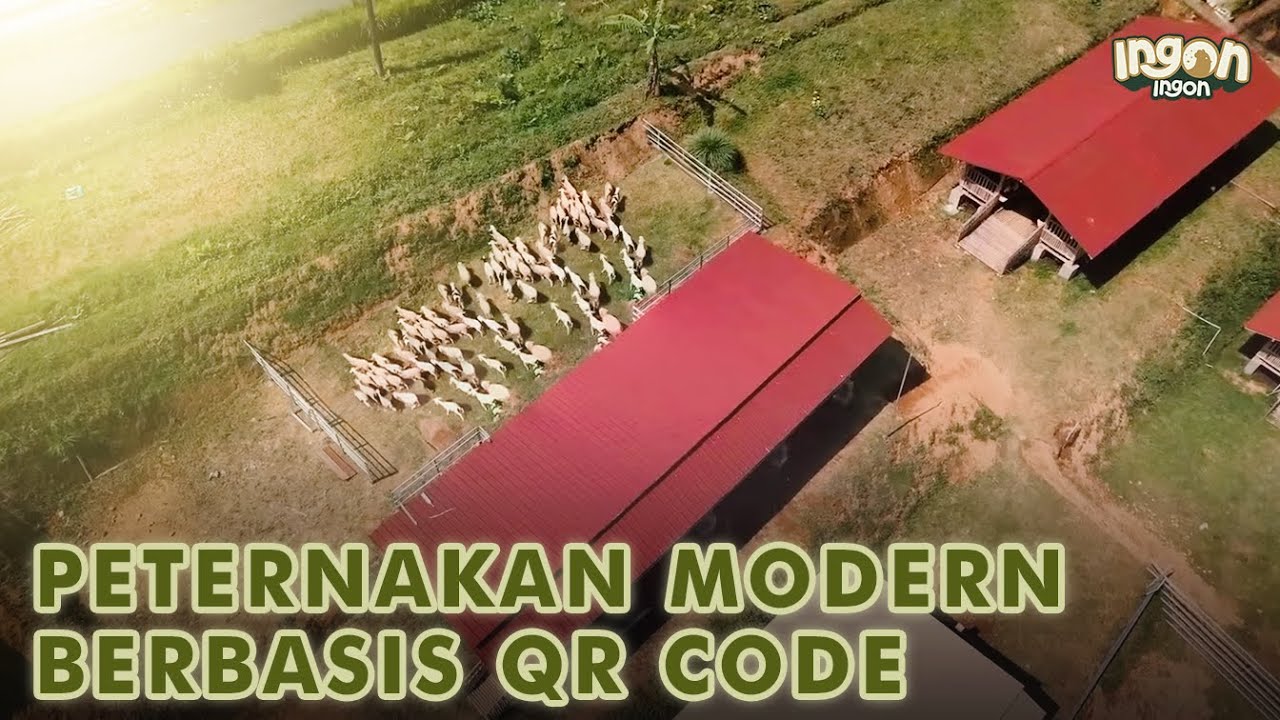
Peternakan Modern Berbasis QR Code - Sukses Ternak Domba dengan Pola Smart Farming!
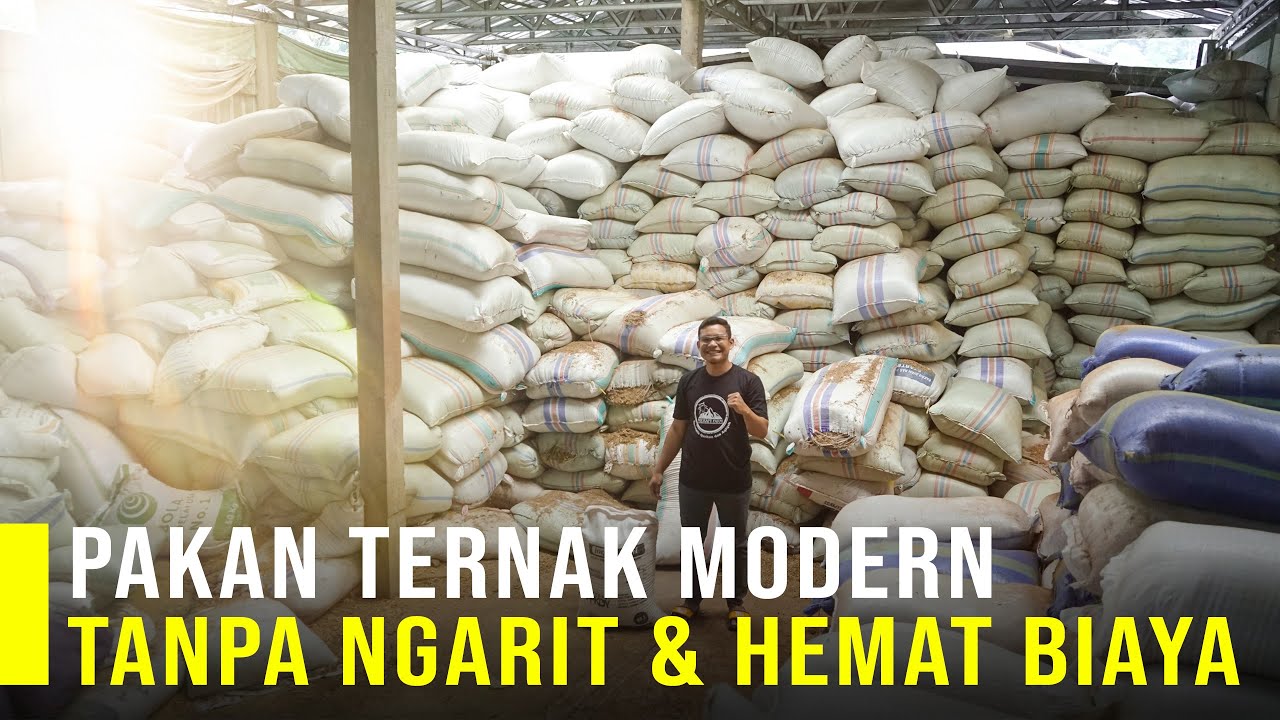
Teknologi Modern Pengolahan Pakan Ternak Tanpa Ngarit, Hemat biaya dan Ternak Lebih Sehat

Reducing Methane Emissions from Livestock in Brazil

SNI DORPER INDONESIA MENGGUNAKAN MENGGUNAKAN STANDAR DORPER PRIME INDONESIA | ASBLANAS.TV
5.0 / 5 (0 votes)

