Bonaire Coral Spawning | JONATHAN BIRD'S BLUE WORLD
Summary
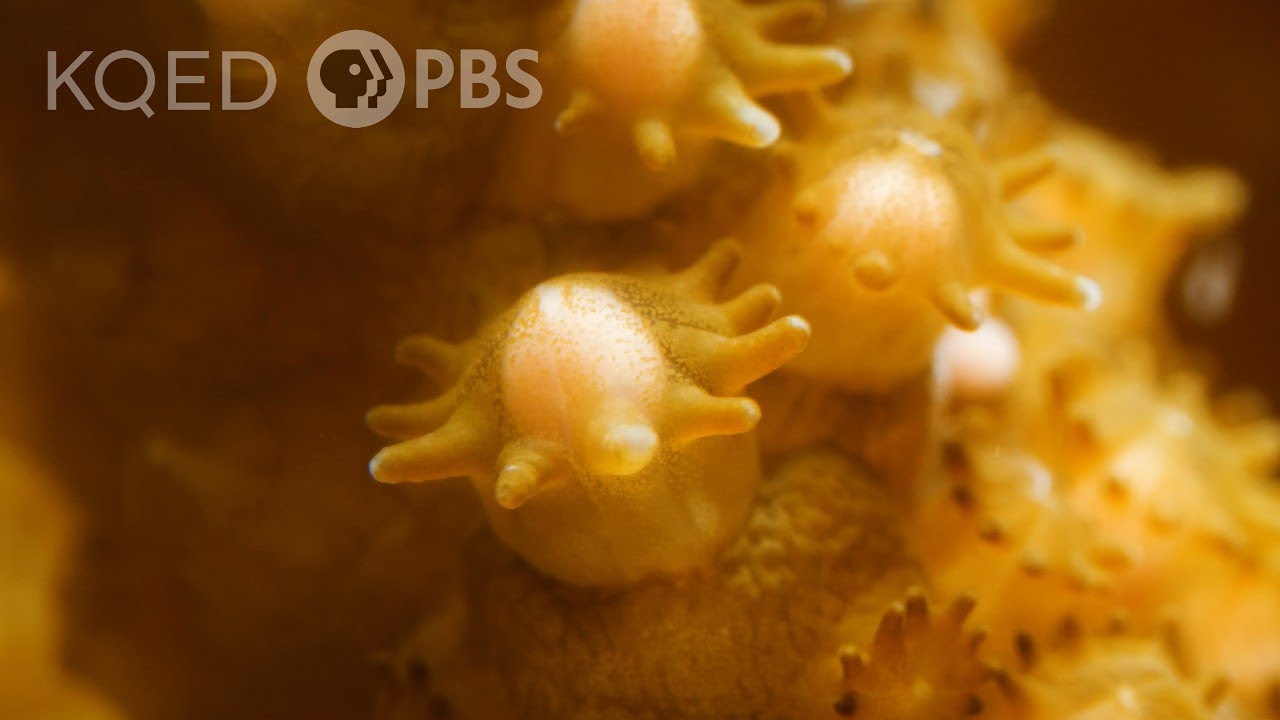
TLDRIn this episode of Jonathan Bird's Blue World, Jonathan dives at night in Bonaire to witness the rare and mesmerizing event of coral spawning. He explains coral biology, showing how polyps form colonies and release gamete bundles under the cover of darkness, synchronized with lunar cycles and tides. After several nights of patient observation, he captures the spectacular moment when millions of coral polyps release eggs and sperm simultaneously, ensuring cross-fertilization while overwhelming predators. The episode highlights the beauty, complexity, and ecological importance of coral reefs, demonstrating how patience and careful study reveal nature's hidden wonders.
Takeaways
- 🌊 Coral reefs are vibrant underwater ecosystems that provide habitat for countless fish and invertebrates and are vital to tropical ocean health.
- 🐠 Coral is a living animal, made up of tiny polyps related to jellyfish, many of which form large colonies with hard skeletons.
- 🪸 Coral polyps have stinging tentacles to catch prey, mostly at night, despite appearing plant-like or rock-like.
- 🌙 Coral reproduction occurs via spawning, which happens only a few nights each year and is synchronized with the lunar cycle.
- ⏱️ The timing of coral spawning is linked to tides, with neap tides a week after the full moon providing ideal conditions for fertilization.
- 🏝️ Bonaire, in the southern Caribbean near Venezuela, offers calm, protected waters perfect for observing coral spawning and has been a study site for over a decade.
- 🤿 Observing coral spawning requires night dives and patience, as polyps swell with gamete bundles before release.
- 🦞 During dives, divers may encounter other marine life, including spiny lobsters, octopuses, and schools of tarpon, which adds context to the reef environment.
- 💛 Most corals are hermaphroditic, releasing bundles containing both eggs and sperm to maximize cross-fertilization, while some are gonochoric with separate sexes.
- 🎥 Capturing coral spawning on film involves carefully watching colonies release gametes into the water, where they float, fertilize, and settle to form new colonies.
- ⏳ Witnessing this synchronized event demonstrates the importance of perseverance, as repeated night dives are often needed to observe the rare spectacle.
- ✨ Millions of polyps releasing gametes simultaneously create a stunning visual display that highlights the hidden wonders of underwater life.
Q & A
What is coral, and how can it be distinguished from plants?
-Coral is an animal made up of individual polyps, related to jellyfish. Unlike plants, coral captures prey using stinging tentacles and grows attached to the sea floor, often creating a hard skeleton.
What are coral polyps, and what role do they play in the colony?
-Polyps are tiny individual coral animals that make up a colony. Each polyp has a mouth and tentacles for capturing food, and together they form the structure of the coral reef.
How do corals reproduce, and why is it challenging to observe?
-Corals reproduce by spawning, releasing eggs and sperm into the water simultaneously. This event occurs only a few nights per year at night, making it difficult to observe without precise timing.
Why is Bonaire an ideal location to study coral spawning?
-Bonaire is a Caribbean island with calm, protected waters on one side, making it easier to dive and observe reefs. Biologists have studied coral reproduction there for over a decade, providing reliable predictions for spawning events.
How do tides influence the timing of coral spawning?
-Coral spawning is influenced by moon phases and tides. A week after a full moon, neap tides create calmer currents, allowing coral eggs more time to float and fertilize before being swept away.
What is the difference between hermaphroditic and gonochoric corals?
-Hermaphroditic corals release gamete bundles containing both eggs and sperm, while gonochoric corals have separate male and female colonies that release only sperm or eggs, respectively.
Why do corals release gametes simultaneously?
-Simultaneous release overwhelms predators with the abundance of gametes, increasing the chances that eggs are fertilized and survive to develop into new coral colonies.
What are gamete bundles, and how do they function in coral reproduction?
-Gamete bundles are packets containing both eggs and sperm (in hermaphroditic corals). After release, the bundles float to the surface, break apart, and allow eggs and sperm from different colonies to cross-fertilize.
What environmental factors affect the success of coral reproduction?
-Factors include water currents, suitable surfaces for settlement, depth, and predation. If gametes drift too far, settle in unsuitable areas, or are eaten, reproduction may fail.
What kind of marine life did Jonathan encounter during the dives besides corals?
-Jonathan observed spiny lobsters with sharp antennae, hunting octopuses, and schools of tarpon that followed divers to hunt smaller fish.
What does coral spawning reveal about nature and scientific observation?
-Coral spawning demonstrates nature's intricate timing and synchronization. Observing it requires patience, careful planning, and understanding environmental cues like tides and moon phases.
How does observing coral spawning benefit marine biology and conservation?
-Studying coral spawning helps scientists understand reproduction, growth, and resilience of coral reefs, which is vital for protecting these ecosystems and guiding restoration efforts.
Outlines

Esta sección está disponible solo para usuarios con suscripción. Por favor, mejora tu plan para acceder a esta parte.
Mejorar ahoraMindmap

Esta sección está disponible solo para usuarios con suscripción. Por favor, mejora tu plan para acceder a esta parte.
Mejorar ahoraKeywords

Esta sección está disponible solo para usuarios con suscripción. Por favor, mejora tu plan para acceder a esta parte.
Mejorar ahoraHighlights

Esta sección está disponible solo para usuarios con suscripción. Por favor, mejora tu plan para acceder a esta parte.
Mejorar ahoraTranscripts

Esta sección está disponible solo para usuarios con suscripción. Por favor, mejora tu plan para acceder a esta parte.
Mejorar ahoraVer Más Videos Relacionados



5.0 / 5 (0 votes)

