Scientists Call It the Most Useful Tree on Earth — So Why Has Nobody Ever Heard of It Until Now
Summary
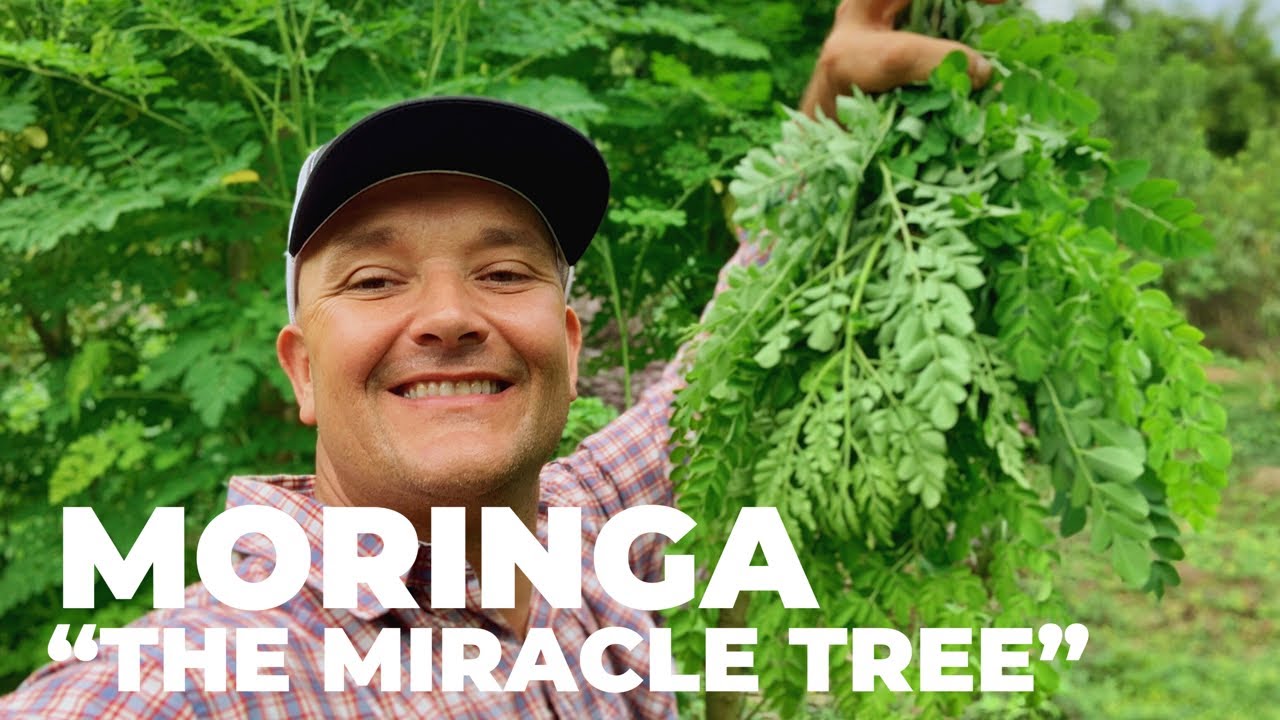
TLDRThe video explores the incredible benefits of Moringa oleifera, a resilient, drought-tolerant tree that thrives in harsh conditions. Despite its unmatched nutritional profile and ability to purify water, Moringa is largely overlooked in modern agriculture due to its fragility and difficulty in commercialization. The video delves into how this plant, which provides complete protein, vitamins, and essential amino acids, could transform sustainable gardening practices. It also critiques the global food system's focus on logistics over nutrition, encouraging viewers to rethink the plants they grow and how they interact with nature.
Takeaways
- 😀 The frustration of gardening often comes from battling against uncontrollable elements like pests, weather, and plant fragility, despite efforts to tend plants correctly.
- 😀 Moringa oleifera, a plant that thrives in harsh conditions, offers a solution by growing quickly, requiring little water, and being incredibly nutritious.
- 😀 Moringa leaves are packed with nutrients, containing seven times the vitamin C of oranges, four times the calcium of milk, and all nine essential amino acids, making it a complete protein source.
- 😀 Moringa is a pioneer species, meaning it is designed to thrive in hostile environments, using deep roots to access water and specialized leaves to minimize water loss while maximizing photosynthesis.
- 😀 The reason Moringa isn't widely available in nurseries is due to its inability to be easily commodified and transported, as its leaves are fragile and don't travel well.
- 😀 Moringa's fresh leaves cannot be easily shipped for profit, and its benefits are often reduced to being sold as a powdered supplement, despite being a highly nutritious and sustainable crop.
- 😀 Even though Moringa is not frost-hardy, gardeners in colder climates can grow it as an annual by starting seeds indoors and transplanting them after the last frost, similar to how tomatoes are grown.
- 😀 Moringa thrives in poor, dry soil and requires well-draining conditions, making it ideal for regions with drought conditions but poor water retention in the soil.
- 😀 A technique called 'coppicing'—aggressively pruning the tree—helps Moringa become bushier and produce exponentially more leaves, which can be harvested continually through the growing season.
- 😀 Moringa's seeds have an incredible ability to purify water by acting as a natural coagulant, removing up to 99% of bacteria in contaminated water, making it an invaluable resource for communities without water treatment systems.
Q & A
What makes Moringa oleifera exceptionally valuable compared to common garden vegetables?
-Moringa oleifera is extremely resilient, fast-growing, drought-tolerant, and highly nutritious. Its leaves contain all nine essential amino acids, and gram for gram, have more vitamin C than oranges, more calcium than milk, and more vitamin A than carrots. Additionally, its seeds can purify water.
Why isn't Moringa widely sold in supermarkets despite its benefits?
-Moringa leaves are fragile and wilt quickly after harvest, making them unsuitable for long-distance transport. The modern food system prioritizes produce that can endure shipping and storage, not necessarily nutritional value.
What is the best way to grow Moringa in colder climates outside its natural tropical zones?
-In colder climates, Moringa can be grown as an annual. Start seeds indoors about six weeks before the last frost in deep pots, then transplant them into the sunniest, driest spot in the garden when the soil warms. Containerized plants can be overwintered indoors.
What is coppicing, and how does it benefit Moringa cultivation?
-Coppicing is the technique of cutting the main trunk at around four feet tall. This encourages lateral branching, turning the tree into a bush, which produces exponentially more leaves at harvestable height.
How should Moringa leaves be dried to preserve maximum nutrients?
-Moringa leaves should be dried in the shade in a warm, well-ventilated space. Sunlight degrades vitamin A and beta-carotene, reducing nutritional value. Once dried, the leaves can be crushed into a shelf-stable powder.
What unique property do Moringa seeds have related to water purification?
-Crushed Moringa seeds contain cationic proteins that act as natural coagulants. When added to dirty water, they cause suspended particles, algae, and bacteria to clump together and settle, significantly clarifying the water.
Why is Moringa considered a pioneer species?
-Moringa is a pioneer species because it thrives in hostile or degraded environments where other plants struggle. It has a deep taproot for accessing water, specialized leaves that minimize water loss, and rapid growth, enabling it to establish quickly in difficult conditions.
What are some practical uses for Moringa leaves in cooking?
-Moringa leaves can be added fresh to salads or boiled in stews like spinach, but boiling reduces vitamin content. To preserve nutrients, leaves should be dried in the shade and used as a powder in soups, smoothies, or oatmeal.
How does the story of Moringa challenge common perceptions of agriculture and the food industry?
-Moringa highlights that the global food system often prioritizes transportability and profitability over nutrition and resilience. Highly nutritious, useful plants like Moringa are overlooked because they don’t fit commercial logistics, demonstrating that agricultural success is not synonymous with ecological or human benefit.
What broader lesson can gardeners take from cultivating Moringa?
-Moringa teaches that working with resilient, multifunctional plants can reduce effort, increase nutrition, and enhance sustainability. It encourages gardeners to explore underutilized species, think beyond conventional crops, and work with nature rather than against it.
Can Moringa be grown year after year in temperate regions?
-Yes, but only if containerized and brought indoors during frost. In zones 5–6, Moringa can survive multiple years this way, entering semi-dormancy during winter and regrowing in spring.
What is the significance of Moringa in traditional cultures?
-Traditional cultures in India, Southeast Asia, and Africa have relied on Moringa for centuries for its nutrition and medicinal properties. Its cultivation reflects deep knowledge of sustainable food systems and multifunctional plants.
Outlines

Dieser Bereich ist nur für Premium-Benutzer verfügbar. Bitte führen Sie ein Upgrade durch, um auf diesen Abschnitt zuzugreifen.
Upgrade durchführenMindmap

Dieser Bereich ist nur für Premium-Benutzer verfügbar. Bitte führen Sie ein Upgrade durch, um auf diesen Abschnitt zuzugreifen.
Upgrade durchführenKeywords

Dieser Bereich ist nur für Premium-Benutzer verfügbar. Bitte führen Sie ein Upgrade durch, um auf diesen Abschnitt zuzugreifen.
Upgrade durchführenHighlights

Dieser Bereich ist nur für Premium-Benutzer verfügbar. Bitte führen Sie ein Upgrade durch, um auf diesen Abschnitt zuzugreifen.
Upgrade durchführenTranscripts

Dieser Bereich ist nur für Premium-Benutzer verfügbar. Bitte führen Sie ein Upgrade durch, um auf diesen Abschnitt zuzugreifen.
Upgrade durchführenWeitere ähnliche Videos ansehen




5.0 / 5 (0 votes)

