Sair da Montada é Fácil Quando Você Entende Isso
Summary
TLDRThis video covers essential escapes from the mounted position in Brazilian Jiu-Jitsu, offering a hierarchy of techniques ranging from basic to advanced. It begins with fundamental escapes like the outside elbow and inside elbow escapes, progressing to more advanced keeping escapes such as misdirection and overhead variations. The key focus is not just escaping but transitioning to offensive positions for immediate attacks. With insights into frame-building, timing, and opponent behavior, the video aims to teach viewers how to escape mount and seize opportunities to finish the fight effectively.
Takeaways
- 😀 There are two main types of escapes from mount: Keeping escapes and Elbow escapes, each with two main variations.
- 😀 Elbow escapes are considered basic to advanced, with the outside elbow escape being the most basic, followed by inside elbow escape, misdirection keeping, and overhead keeping as the most advanced.
- 😀 The New Wave team's philosophy focuses on minimizing the gap between defense and attack, emphasizing escapes that position you for immediate offense, not just survival.
- 😀 In traditional Jiu-Jitsu, escaping mount often leads to just regaining guard, but the New Wave approach strives for a transition directly into attack.
- 😀 The outside elbow escape works well during the initial mount entry when the opponent's knee is still low, but it depends on the opponent making a mistake by exposing their foot.
- 😀 To execute the outside elbow escape, establishing frames is essential to avoid being extended or trapped in mount, with two types of frames: parallel and crossed.
- 😀 If the opponent hides their feet or becomes more experienced, the inside elbow escape becomes a better option, allowing for a transition into leg attacks and dominant positions.
- 😀 The inside elbow escape relies on bridging and quickly bringing your knee inside to neutralize the opponent's control and set up an immediate attack on their legs.
- 😀 Misdirection keeping escape involves following the opponent's resistance and misaligning their center of gravity to break their control, transitioning directly into a dominant position.
- 😀 Overhead keeping escape is the most difficult but offers the highest reward, involving an elevated center of gravity for the opponent, making it harder for them to escape or counter.
- 😀 The overhead keeping escape requires excellent frame control and a curved body position to elevate the opponent's hips over your head, setting up immediate submission opportunities.
Q & A
What are the two main types of escapes from the mounted position?
-The two main types of escapes from the mounted position are 'keeping escapes' and 'elbow escapes'.
What are the two variations of keeping escapes?
-The two variations of keeping escapes are 'misdirection' and 'overhead'.
What are the two variations of elbow escapes?
-The two variations of elbow escapes are 'outside' and 'inside'.
How are the escapes from the mounted position ranked in the hierarchy?
-The hierarchy starts with the outside elbow escape as the most basic, followed by the inside elbow escape, misdirection keeping, and the most advanced being the overhead keeping.
Why are some escapes considered more advanced than others?
-Some escapes are considered more advanced because they offer better opportunities for counter-attacking or finalizing the opponent, rather than just escaping the mounted position.
What is the philosophy behind the New Wave team's approach to escapes?
-The New Wave team's philosophy emphasizes minimizing the distance between defense and attack, aiming to escape from a bad position while simultaneously setting up an opportunity to submit the opponent.
What is the first step in performing any escape from the mounted position?
-The first step is to establish frames to prevent the opponent from extending you further, especially by preventing them from entering a high mount position.
What is the key difference between the 'outside elbow escape' and other escapes?
-The outside elbow escape is based on taking advantage of an opponent's mistake, such as leaving their feet exposed, and using this window to escape or enter a neutral position.
What is the role of the 'inside elbow escape' when the outside escape is not possible?
-If the outside elbow escape isn't possible, the inside elbow escape allows the practitioner to control the opponent from the inside by bridging and positioning the knees effectively to break their control and attack.
What distinguishes the misdirection keeping escape from other escapes?
-The misdirection keeping escape relies on following the opponent's resistance, creating a misalignment in their center of gravity, and then executing a knee entry to gain a dominant position or attack.
Outlines

Dieser Bereich ist nur für Premium-Benutzer verfügbar. Bitte führen Sie ein Upgrade durch, um auf diesen Abschnitt zuzugreifen.
Upgrade durchführenMindmap

Dieser Bereich ist nur für Premium-Benutzer verfügbar. Bitte führen Sie ein Upgrade durch, um auf diesen Abschnitt zuzugreifen.
Upgrade durchführenKeywords

Dieser Bereich ist nur für Premium-Benutzer verfügbar. Bitte führen Sie ein Upgrade durch, um auf diesen Abschnitt zuzugreifen.
Upgrade durchführenHighlights

Dieser Bereich ist nur für Premium-Benutzer verfügbar. Bitte führen Sie ein Upgrade durch, um auf diesen Abschnitt zuzugreifen.
Upgrade durchführenTranscripts

Dieser Bereich ist nur für Premium-Benutzer verfügbar. Bitte führen Sie ein Upgrade durch, um auf diesen Abschnitt zuzugreifen.
Upgrade durchführenWeitere ähnliche Videos ansehen

BJJ Lesson 8: Our Goals From Top - An Introduction To Brazilian Jiu Jitsu

A base do jiu-jitsu - a aula que eu gostaria de ter tido lá na Faixa branca

How long does it take to get BJJ Black Belt (FORMULA)

A GRANDE DIFERENÇA DO JIU-JITSU PARA LUTA LIVRE
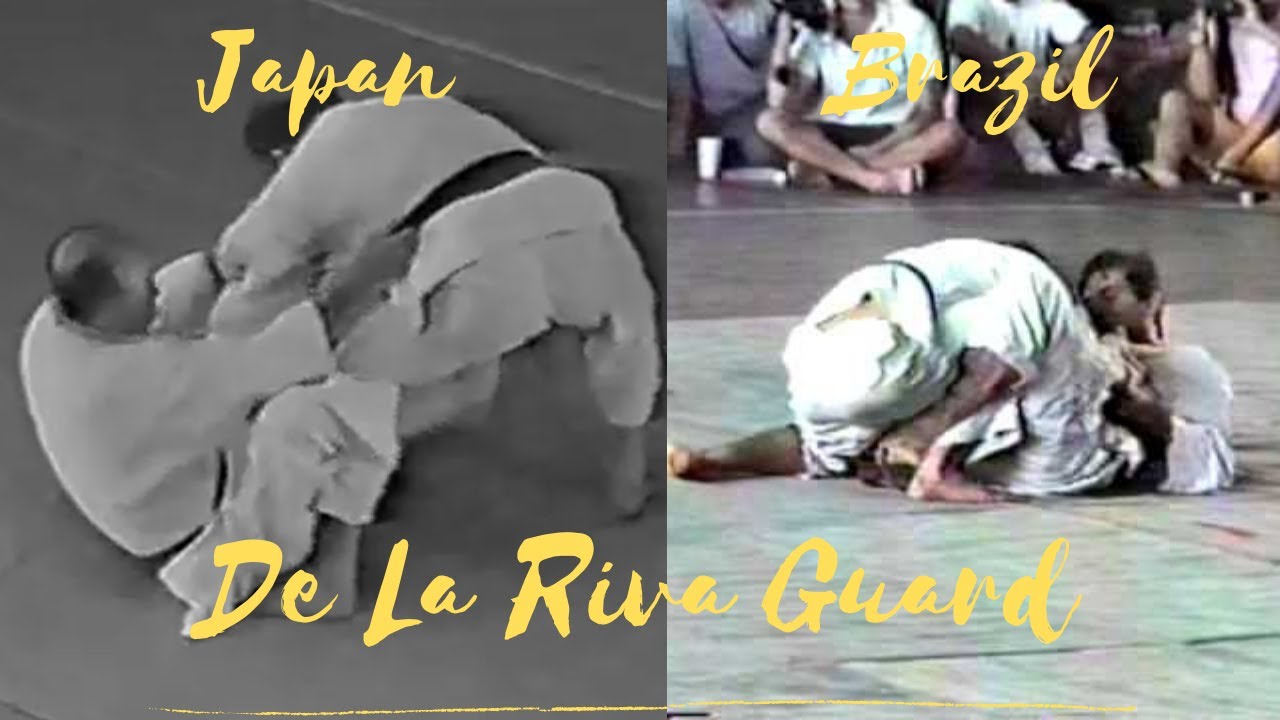
De La Riva guard : from Japan to Brazil

This Is How You Structure Your BJJ Training For Maximum Growth
5.0 / 5 (0 votes)

