“10 Things You MUST Sell Before 2026 (Or LOSE EVERYTHING)RAY DALIO
Summary
TLDRIn this urgent message, Ray Dalio warns of an impending economic crisis and outlines 10 assets that investors must sell before 2026. He explains how long-duration Treasury bonds, commercial real estate, unprofitable tech stocks, high-yield junk bonds, leveraged ETFs, emerging market bonds, meme stocks, altcoins, luxury consumer stocks, and overleveraged housing will face significant losses as economic conditions shift. Dalio stresses the importance of moving to safer assets like short-duration treasuries, dividend-paying stocks, gold, and cash reserves to protect wealth before the crisis accelerates.
Takeaways
- 😀 Economic conditions are shifting, and assets that have worked for the past 40 years are about to be destroyed. Don't hold onto them as the market changes.
- 😀 Long-duration Treasury bonds (20+ years) are highly vulnerable to interest rate increases. Sell bonds with maturities over 10 years and move to short-duration ones or inflation-protected securities.
- 😀 Commercial real estate, particularly office buildings, is facing a crisis. With high vacancy rates and maturing debt, property values will plummet, so sell office real estate assets.
- 😀 Unprofitable growth stocks and speculative tech companies are risky. They thrived in the era of low rates but will falter as borrowing costs rise. Sell these stocks and focus on profitable companies.
- 😀 High-yield junk bonds are particularly dangerous in a recession, as companies with heavy debt loads will struggle to survive. Sell junk bonds and move to investment-grade bonds or Treasuries.
- 😀 Leveraged and inverse ETFs are not investments for the long-term. They are designed for day trading and can cause massive losses in volatile markets. Sell these ETFs immediately.
- 😀 Emerging market bonds, especially those denominated in dollars, are risky. As the dollar strengthens and rates rise, many of these countries will default. Sell dollar-denominated emerging market bonds.
- 😀 Meme stocks and speculative retail-driven stocks will collapse once recession hits and investors panic. These stocks aren't based on fundamentals and should be sold.
- 😀 Cryptocurrencies, particularly altcoins, are at extreme risk during a liquidity contraction. Most altcoins will lose value, so sell them, and only hold Bitcoin if absolutely necessary.
- 😀 Consumer discretionary stocks (luxury goods, high-end retail, etc.) are vulnerable in a recession, as people cut back on non-essential spending. Sell these stocks and invest in consumer staples, healthcare, or utilities.
- 😀 If you're overleveraged on your home and mortgage payments exceed 30% of your income, you're at risk. Housing prices will drop, so consider downsizing to avoid financial catastrophe.
- 😀 Sell the assets mentioned and reinvest in short-duration Treasuries, dividend aristocrats, defensive stocks, gold, commodities, and build cash reserves to weather the coming crisis.
Q & A
What is the primary concern discussed in the script?
-The primary concern discussed is the impending economic crisis, and the need to sell certain assets before 2026 to avoid catastrophic losses. The script highlights assets that are expected to perform poorly in the coming economic conditions and urges repositioning to safer investments.
Why are long-duration Treasury bonds considered risky in the current economic environment?
-Long-duration Treasury bonds are sensitive to interest rate changes. With interest rates likely to remain volatile and higher for longer, the bond prices will drop, especially for bonds with maturities over 20 years. This makes them a risky asset as their value could decline significantly, potentially losing 30-40% of their value.
What is the issue with commercial real estate, particularly office buildings?
-The issue with commercial real estate, especially office buildings, is that occupancy rates are permanently lower due to remote work, and many of these properties were financed with cheap debt. As that debt matures and needs refinancing at higher interest rates, property values are expected to plummet, leading to defaults and bankruptcies.
Why should investors avoid unprofitable growth stocks and speculative tech?
-Unprofitable growth stocks and speculative tech companies were popular during the zero-rate era, but with higher interest rates, they are no longer attractive. These companies are losing money, and with capital no longer being cheap or easy to raise, many will fail, making them high-risk investments.
What happens to high-yield junk bonds during an economic downturn?
-During a recession, highly leveraged companies that issued junk bonds may default, as they struggle to refinance at higher interest rates and declining revenues. Historically, junk bonds have suffered major losses during recessions, with some even going to zero.
What are leveraged and inverse ETFs, and why are they risky for retail investors?
-Leveraged and inverse ETFs use derivatives to amplify returns, but they are designed for short-term trading, not long-term investing. Retail investors often buy them thinking they will get leveraged exposure, but these funds decay over time due to daily rebalancing and derivative costs, leading to significant losses, especially during volatile markets.
Why are emerging market bonds denominated in dollars a potential risk?
-Emerging market countries borrowed heavily in dollars when interest rates were low. As the dollar strengthens and interest rates rise, their debt burden increases, making it difficult for them to repay. This can lead to sovereign defaults, and investors holding these bonds face massive risk.
What makes meme stocks and retail-driven stocks risky investments?
-Meme stocks and retail-driven stocks are driven by social media hype and momentum, not solid fundamentals. When the economy enters a recession and retail investors lose jobs or need cash, these stocks collapse, often returning to their fundamental values, which may be close to zero.
How does cryptocurrency perform during liquidity contraction phases?
-Cryptocurrency, especially altcoins, thrives during periods of liquidity expansion when central banks are printing money and rates are low. However, during liquidity contraction, when rates rise, crypto crashes. Altcoins, in particular, have little real use and are purely speculative, which makes them vulnerable in an economic downturn.
Why should homeowners consider downsizing if they are overleveraged?
-If a homeowner's mortgage payment exceeds 30% of their gross income, they are at risk if they lose their job or face a pay cut. With housing prices expected to drop, homeowners in this situation may find themselves underwater on their mortgage and unable to afford the payment, leading to forced sales or foreclosure.
Outlines

Dieser Bereich ist nur für Premium-Benutzer verfügbar. Bitte führen Sie ein Upgrade durch, um auf diesen Abschnitt zuzugreifen.
Upgrade durchführenMindmap

Dieser Bereich ist nur für Premium-Benutzer verfügbar. Bitte führen Sie ein Upgrade durch, um auf diesen Abschnitt zuzugreifen.
Upgrade durchführenKeywords

Dieser Bereich ist nur für Premium-Benutzer verfügbar. Bitte führen Sie ein Upgrade durch, um auf diesen Abschnitt zuzugreifen.
Upgrade durchführenHighlights

Dieser Bereich ist nur für Premium-Benutzer verfügbar. Bitte führen Sie ein Upgrade durch, um auf diesen Abschnitt zuzugreifen.
Upgrade durchführenTranscripts

Dieser Bereich ist nur für Premium-Benutzer verfügbar. Bitte führen Sie ein Upgrade durch, um auf diesen Abschnitt zuzugreifen.
Upgrade durchführenWeitere ähnliche Videos ansehen

ALLERTA DI RAY DALIO: La trappola della ricchezza che farà esplodere la bolla del 2025

The U.S. Dollar as We Know It Ends in 10 Days

It Started: China Just Dumped The US Dollar (Ray Dalio’s Final Warning)
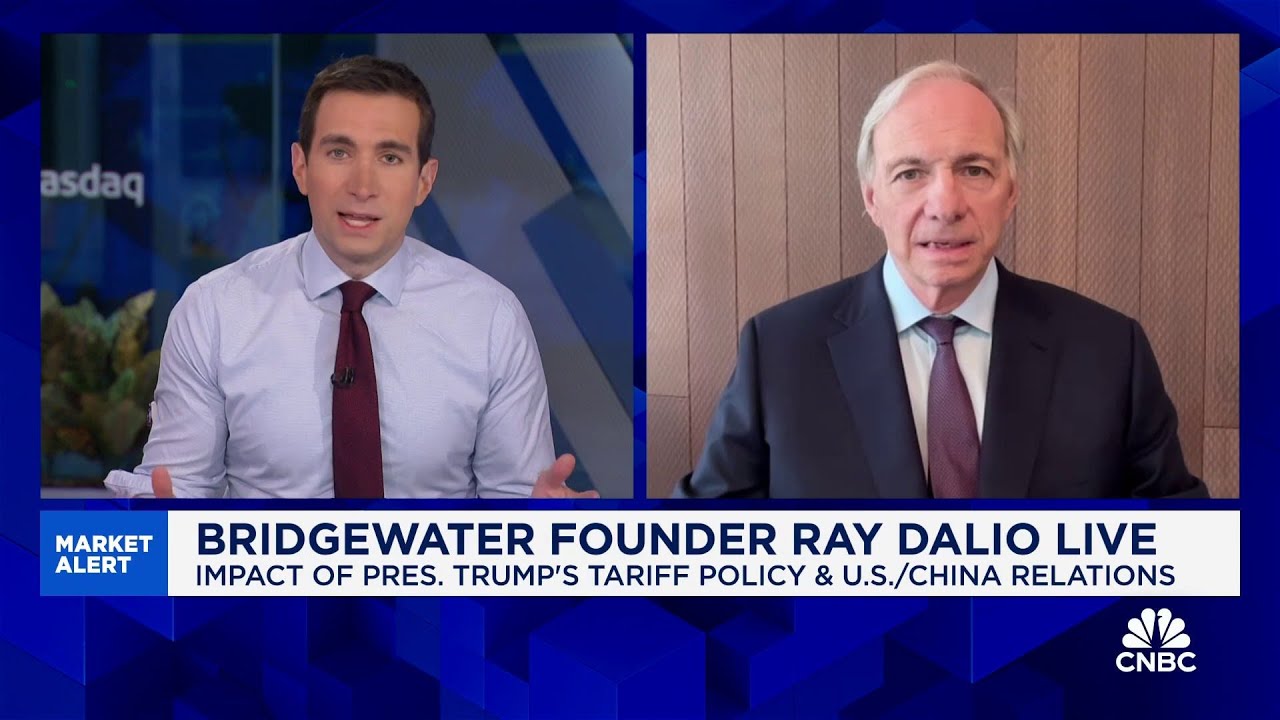
Ray Dalio on Trump's tariffs: I agree with the problem, I am very concerned about the solution

Elon Musk JUST WARNED: ''China Is About to COLLAPSE!''

【突發】2024美元大貶值來臨,比衰退更大的雪崩還在後面?把錢放進這三個避險資產,反而更值錢?連巴菲特都不敢看好美國的國運?趕快準備好大型保險箱吧?
5.0 / 5 (0 votes)

